
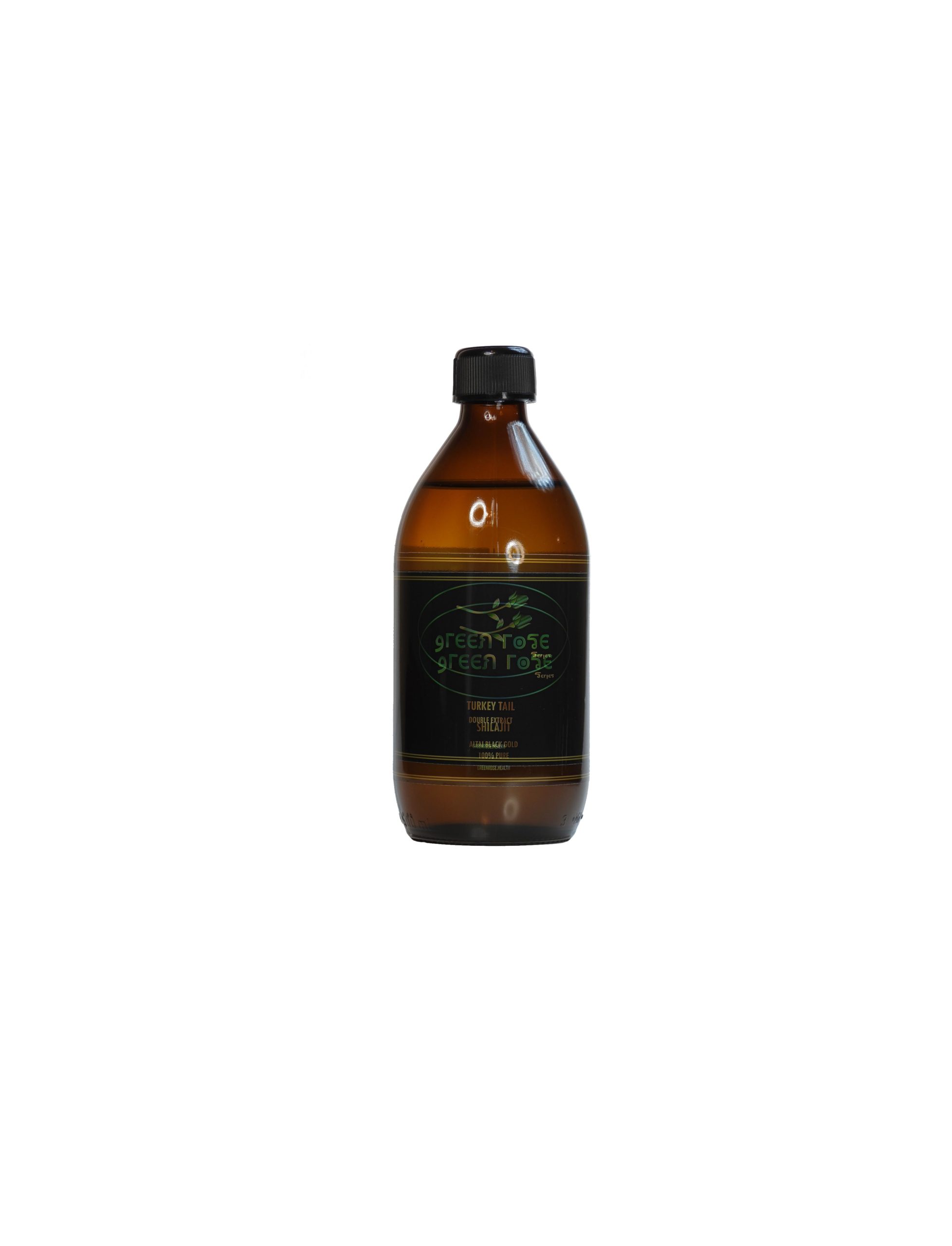
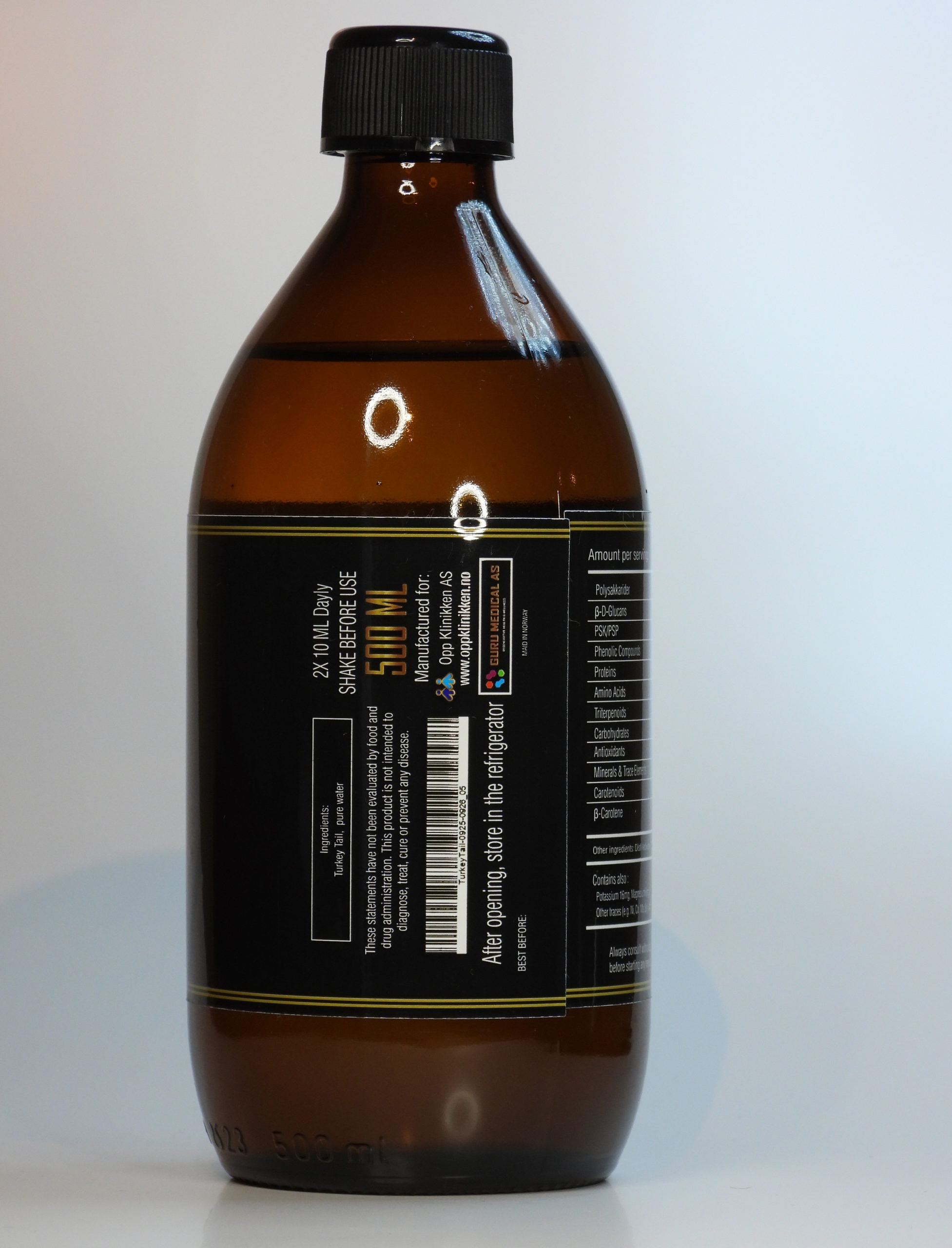
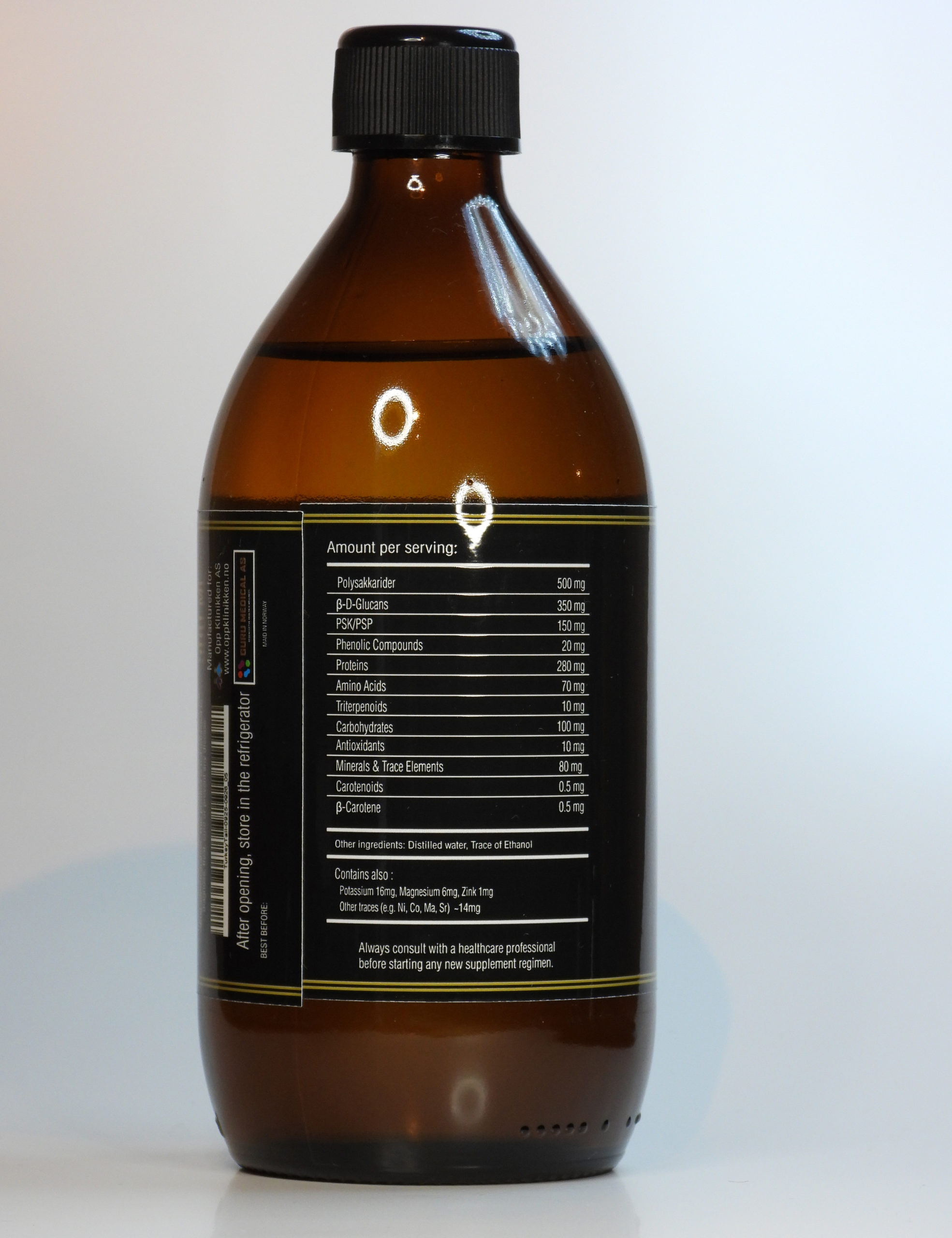
kr 1,750.00
Turkey tail (Coriolus versicolor) is a mushroom. It contains polysaccharide peptide (PSP) and polysaccharide krestin (PSK), which are used as medicine.
Turkey tail mushroom grows on stumps and the decomposing wood of trees. The PSP and PSK in turkey tail mushroom might help slow cancer growth and boost the immune system.
People use turkey tail mushroom to improve response to cancer medicines and radiation. It is also used for muscle strength, fatigue, UTIs, and many other conditions, but there is no good scientific evidence to support these uses.
Turkey tail (Trametes versicolor or Coriolus versicolor) is a medicinal mushroom used for hundreds of years to treat various health conditions. When taken as a supplement, turkey tail mushroom benefits may include reduced inflammation, stronger bones, and lower blood sugar in people with type 2 diabetes.
Turkey tail contains a high concentration of two polysaccharides with immune-boosting properties: polysaccharide-K (krestin or PSK) and polysaccharide peptides (polysaccharopeptides or PSP). PSK and PSP stimulate and balance the immune system to help the body fight cancer and other diseases.1
Claus-Desbonnet H, Nikly E, Nalbantova V, et al. Polysaccharides and their derivatives as potential antiviral molecules. Viruses. 2022;14(2):426. doi:10.3390/v14020426
PSPs also stimulate immune cell production to help fight and protect against infection.2
Turkey tail extracts have been used in Japan for decades as an adjuvant (additional) therapy for cancer treatments. These extracts are often combined with chemotherapy or radiation therapy to boost the efficacy of these treatments and improve outcomes.4
A 2023 research review that investigated the cancer-related benefits of mushrooms found that turkey tail and other species provided benefits in people with cancer, including:5
Other studies have shown that turkey tail extracts not only inhibit the growth of some cancer cells but also improve immune function in people with certain cancers, which may reduce the risk of infection.4
Turkey tail may improve gut health by promoting the growth of beneficial bacteria that support healthy digestion.
Turkey tail acts as a prebiotic, stimulating the development of “good” bacteria in the gut microbiome. Having a healthy, balanced gut microbiome is linked to improved digestive health, a strong immune system, and a lower risk of gastrointestinal disorders and diseases.6
Studies have suggested that the polysaccharides and beta-glucan (a form of soluble fiber) in turkey tail may provide gut benefits, including improved digestion and reduced diarrhea.7
And a 2019 in vitro study confirmed that turkey tail mushrooms demonstrate properties that help boost immune health, which may have beneficial effects on gut health.8
Turkey tail may boost stamina and fight fatigue to enhance athletic performance. A study using animal models found that turkey tail extract increased endurance and strength in mice. Moreover, the extract reduced physical fatigue in the mice and lowered blood sugar levels at rest and after exercise.9
Human trials are needed to determine what benefits turkey tail may offer athletes regarding endurance, strength, energy levels, and recovery.
Several of the compounds in turkey tail are powerful antioxidants, substances that help reduce oxidative stress in the body.7 Oxidative stress is considered bad because it can lead to organ and tissue damage. Antioxidants counteract the free radicals that cause this damage.
The antioxidants present in turkey tail include polysaccharides, ergothioneine, krestin, sterols, terpenoids, phenolic compounds, and melanin. These molecules help to protect the immune system by reducing inflammation and activating immune cells. They also help maintain healthy gut bacteria.7
The human papillomavirus (HPV) is a common sexually transmitted infection. It is also a well-known cause of cervical cancer and is suspected to be involved in the development of vaginal, vulvar, penile, anal, rectal, and oropharyngeal (back of the throat) cancer as well.10
Scientific research shows that turkey tail may help treat HPV and prevent cancer. When taken with another medicinal mushroom (reishi mushroom), turkey tail may help remove HPV from the cervix or mouth.10
The polysaccharides in turkey tail have beneficial effects on cancer caused by HPV. PSK and PSP in turkey tail can not only stop cancer cells from developing but also cause them to die. Turkey tail may be able to boost the effectiveness of the HPV vaccine, as well.10
Animal model research found that turkey tail extract resulted in thicker, less porous bones for those with osteoporosis. It is important to note that the research was conducted via animal studies.11 More research is needed to explore the direct impact on human bone health.
Other findings suggest turkey tail may protect against bone loss related to certain cancer treatments, as well.12
Turkey tail is rich in antioxidants, which may protect cognitive function (e.g., memory, problem-solving) and reduce the risk of age-related cognitive decline.
At least one research review investigating the health benefits of mushrooms (including turkey tail) reported that people who consumed more mushrooms showed improvements in dementia scores. As a result, review authors suggested that bioactive compounds in mushrooms may be helpful in the treatment of dementia.13
Other research has suggested that turkey tail may have neuroprotective qualities. But researchers are quick to acknowledge that more research is needed to see the mushroom’s direct impact on cognitive function.12
The antioxidants and immune-boosting properties of turkey tail may help support health and protect against inflammation and age-related diseases. Research suggests it might help protect against various types of cancer as bodies age, including gastric, lung, breast, and colorectal cancers.12
Other evidence suggests that the mushroom might be able to boost immune responses in aging bodies. However, more human-based research is needed to definitively state its effects.12
Studies using animal models show that turkey tail extracts may reduce blood sugar levels, improve insulin resistance, and prevent diabetes-related complications in people with type 2 diabetes.1415
Many turkey tail benefits are promoted in advertisements and online, but not all of them are supported by scientific evidence.